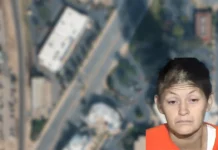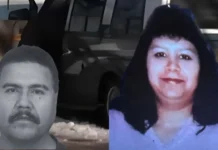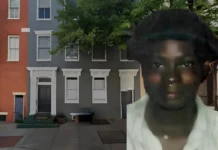
For years, remains found miles apart were linked to the Gilgo Beach investigation. When Peaches and Baby Doe were identified through DNA, investigators finally learned who those remains belonged to—and the theory was completely shattered.
On June 28, 1997, a 45-year-old man attended an annual New York State Department of Environmental Conservation fishing clinic at Hempstead Lake State Park. He was with his 10-year-old daughter, a family friend, and her children. Around 1:00 p.m., the children became bored, so the group took a walk. The man smelled a foul odor off the path and found what looked like a recycling-type container with a plastic bag draped over it.
Flies covered the area. He nudged the container, hoping it held a dead animal. Then went back for a conservation officer rather than opening it himself. Inside the dark green Rubbermaid container were a black plastic bag, a floral pillow sham, a frayed red towel, and what appeared to be the lower-left part of a human torso.
Nassau County Police found no signs of a struggle at the park. Detective Lieutenant Frank Guidice, then commander of the Nassau County Homicide Squad, said investigators believed someone had killed the victim elsewhere, transported the remains, and placed them in the container.
By June 30, the Nassau County Medical Examiner had determined that the victim was a Black woman, between 18 and 30 years old, of medium build. She had an abdominal scar that appeared consistent with a cesarean section. Above her left breast was a distinctive tattoo, a heart-shaped peach with a bite taken out and drops or teardrops below it. Police began calling her “Peaches.”
They found the remains unclothed on the west side of Lake Drive, about 200 yards north of Peninsula Boulevard. Investigators believed they had been there for two to three days. They estimated that she died at least 36 hours, but less than a week, before the discovery. That left unanswered questions about where her remains had been before they reached the park, and where the rest of her body was.
On July 1, 1997, police released a photograph of the tattoo. Detectives showed it to tattoo artists and later had it published in a national tattoo magazine. Her case also appeared on television, including America’s Most Wanted.
Eventually, a Connecticut tattoo artist recognized the design as his work. He remembered tattooing a young Black woman who had come from Long Island with an aunt and cousin. He also recalled that she had mentioned problems with a boyfriend, although he didn’t know who the boyfriend was or what those problems involved.
The abdominal scar suggested there could be a child connected to Peaches. Yet investigators had little else to work with. They had no skull for facial reconstruction, no teeth for dental comparison, and no hands for fingerprints. DNA technology in 1997 also could not provide the answers available decades later.
By 2010, Peaches had been unidentified for 13 years. Investigators said they had reviewed missing-person reports and found no clear connection. The absence of a missing-person report did not establish that relatives knew what happened to her or failed to care. Some reports said she had a fractured relationship with family, but the circumstances weren’t established. Police simply knew very little about her life.
That changed after Shannon Gilbert disappeared in 2010. Searches along Ocean Parkway uncovered multiple sets of human remains. By May 2011, authorities had found 10 sets and had begun considering whether multiple killers had used the isolated corridor as a dumping ground.
On April 4, 2011, searchers found the skeletal remains of a young girl who became known as Baby Doe. A week later, they found additional female remains, called Jane Doe Number 3. Investigators found the remains miles apart within the same general corridor, but they still did not know whether the victims shared a connection or whether the Gilgo Beach killings tied the cases together.
By September 2011, testing linked Baby Doe to Peaches, but they had yet to be identified. Suffolk Police Commissioner Richard Dormer said investigators believed the two were likely mother and child. At a September 20 press conference, police described Baby Doe as non-Caucasian and about 16 to 32 months old. She wore hoop earrings and a rope necklace. The adult woman had two bracelets, one with an X and O pattern and stones resembling diamonds, and another described as a snake chain.
Additional testing in 2015 confirmed that Jane Doe Number 3 was Baby Doe’s mother. Then, on December 14, 2016, investigators announced that Jane Doe Number 3 matched the torso found at Hempstead Lake State Park in 1997. Jane Doe Number 3 was Peaches, and Peaches was Baby Doe’s mother.
DNA had established that the Ocean Parkway remains and the torso found 14 years earlier belonged to the same woman. It had also established that Baby Doe was her daughter. However, the people behind the names Peaches and Baby Doe had not yet been identified.
Around 2020, forensic evidence from both victims went to Othram Labs. Earlier efforts to develop a usable DNA profile from Peaches’ remains had failed. Othram scientists refactored existing genetic data, rebuilding it into a comprehensive genealogical profile. For Baby Doe, scientists developed a DNA extract directly from forensic evidence and used forensic-grade genome sequencing to create her profile.
Othram handled the laboratory work, while the FBI’s forensic genetic genealogy team built family trees. The FBI searched for biological relatives and combined DNA connections with traditional genealogy and historical records. That process produced leads that took investigators from New York to Alabama.
On October 7, 2022, the FBI and Mobile police asked for help locating relatives or friends of a man identified as Elijah or Lije Howell or Howard. Authorities said he had lived in Prichard, Alabama, with his wife Carrie, and died in Mobile. They didn’t publicly explain his relationship to the unidentified woman and child, but said relatives could have information that would help identify peaches and baby doe.
By 2022, investigators had developed likely identifications. Nassau County detectives met with the FBI in 2023, reviewed the genealogy findings, interviewed relatives, and collected DNA samples. By early 2024, those comparisons positively identified both victims.
Officials waited to release the names while they contacted surviving relatives and arranged to return the remains to Alabama for burial. Tanya received full military honors. In April 2025, investigators announced the identities of Peaches and Baby Doe: Tanya Denise Jackson and her daughter, Tatiana Marie Dykes.
Tanya was born October 22, 1970, and had served in the United States Army from about July 1993 to February 1995. Her assignments included Fort Sam Houston in San Antonio, Fort Gordon in Georgia, and Fort Leonard Wood in Missouri. By the time she died, she lived in Brooklyn with Tatiana and may have worked at a doctor’s office in a medical assistant capacity. She drove a black 1991 Geo Storm.
Tatiana was born March 17, 1995, in San Antonio and was about 2 years old when she died. Investigators sought information from anyone who served with Tanya, lived near her, worked with her, or knew her socially. They offered a $25,000 reward for information leading to an arrest.
Investigators also said they had identified Tatiana’s biological father, spoken with him, and found him cooperative. They didn’t publicly name him at that time and said he wasn’t a suspect. Later, prosecutors said leads pointed to Andrew Dykes as a person of interest.
According to prosecutors, Dykes and Tanya met while both served at Fort Sam Houston. They alleged that Dykes was married and had two children when he began a relationship with Tanya. After he transferred to Fort Hamilton in Brooklyn in 1995, prosecutors said Tanya and Tatiana followed him to New York. They also said Dykes was the leaseholder on Tanya’s Brooklyn apartment.
In October 2024, investigators surveilled Dykes near his Florida home. They watched him buy a drink at Charlie’s Cheesesteaks in Tampa, drink from it, and throw away the cup and straw. Police recovered the discarded items and obtained what the Nassau County District Attorney described as an abandonment DNA sample.
Prosecutors said DNA extracted from the straw included Dykes as a contributor to DNA recovered from Tanya’s remains. However, Tanya and Dykes had been in an intimate relationship and shared a child. Even if prosecutors conclusively establish that the biological material came from him, that fact alone does not establish when the sexual contact occurred or prove murder.
On December 3, 2025, police arrested Dykes at his home in Ruskin, Florida. He waived extradition and was transferred to New York on December 17. The next day, he pleaded not guilty before Judge Tammy Robbins to one count of second-degree murder in Tanya’s death. If convicted, he faces up to 25 years to life in prison.
At the arraignment, prosecutors said the person who dismembered Tanya did so with “surgical precision.” Prosecutor Ania Pulaski argued that Dykes’ military background and anatomy and operating-room knowledge were relevant. That description is the prosecution’s characterization, not a publicly available independent medical examiner conclusion. Public records still don’t state Tanya’s exact cause of death.
Defense attorney Joseph LoPiccolo has said he intends to challenge the DNA evidence and the conclusions drawn from newer technology. He has also described Dykes as a father with military and later law-enforcement experience whose life many people would respect.
MORE FROM CRIMEALYTICS®: Delores Thompson DNA Identifies Killer 37 Years Later
In May 2026, prosecutors sought a direct cheek-swab DNA sample from Dykes for a controlled comparison with DNA from Tanya’s remains. The defense opposed the request on constitutional search-and-seizure grounds. The defense asked the court to collect two samples—one for the prosecution and one for the defense—and to limit any new DNA to Tanya’s murder case. On May 5, Judge Robbins granted the request. No public reporting confirmed whether collection occurred or whether results were completed.
As of August 18, 2026, prosecutors had not charged Dykes with Tatiana’s death. Prosecutors said they didn’t have sufficient evidence at that time to charge him in her killing. The question remains unresolved: if one person is responsible for Tanya’s death, could someone else have killed her daughter and disposed of her remains in the same general Ocean Parkway area?
After investigators identified Peaches and Baby Doe as Tanya Denise Jackson and Tatiana Marie Dykes, the mother and daughter finally had their names back after decades without identification. Advanced DNA testing connected remains found years apart, then led investigators away from the Gilgo Beach killer theory and toward Tatiana’s father.
Dykes faces one second-degree murder charge in Tanya’s death, and the case remains ongoing. Andrew Dykes is presumed innocent unless proven guilty in a court of law.
View Sources for This Report
Newspapers.com. Contemporary newspaper coverage of the June 1997 discovery at Hempstead Lake State Park.
View source
Newspapers.com. Contemporary newspaper coverage of the 1997 Peaches homicide investigation.
View source
Newspapers.com. Contemporary newspaper coverage describing the unidentified victim and evidence in the Peaches case.
View source
Newspapers.com. Contemporary newspaper coverage of police efforts to identify Peaches through her distinctive tattoo.
View source
Newspapers.com. Contemporary newspaper coverage of the 1997 Peaches investigation and tattoo identification efforts.
View source
Long Island Press. “Long Island’s Unidentified Murder Victims.” July 1, 2010.
View source
6ABC / Associated Press. Coverage of the Ocean Parkway and Gilgo Beach investigation following the discovery of multiple sets of remains.
View source
Nassau County District Attorney. Official announcement regarding the indictment of Andrew Dykes in the 1997 murder of Tanya Denise Jackson.
View source
ABC News. Coverage of the identification of Tanya Denise Jackson and Tatiana Marie Dykes.
View source
Othram. Tanya Denise Jackson identification and forensic genetic genealogy case summary.
View source
Forensic Magazine. “Genealogy IDs Peaches and Baby Doe as Questions Surround Gilgo Beach Connection.”
View source
Nassau County Police Department. Public information request regarding the homicide cold case involving Tanya Denise Jackson.
View source
Nassau County Police Department. Public update regarding the Tanya Denise Jackson homicide investigation.
View source
Nassau County District Attorney. Social media coverage related to the Tanya Denise Jackson investigation.
View source
Mobile Police Department. Public information request related to the effort to identify Peaches and Baby Doe.
View source
ABC News. Coverage of the Florida arrest connected to the Tanya Denise Jackson homicide investigation.
View source
Associated Press. Coverage of Andrew Dykes and the Tanya Denise Jackson homicide case.
View source
CBS News New York. Coverage of Andrew Dykes and the murder case involving Tanya Denise Jackson, formerly known as Peaches.
View source
YouTube. Video source related to the Tanya Denise Jackson and Tatiana Marie Dykes investigation.
View source
YouTube. Video source related to the Tanya Denise Jackson and Tatiana Marie Dykes investigation.
View source
ABC7 New York. Coverage of the identification of Peaches and Baby Doe as Tanya Denise Jackson and Tatiana Marie Dykes.
View source
CBS News New York. Video coverage of police announcing the identities of the mother and child whose remains were found in connection with the Gilgo Beach investigation.
View source
YouTube. Video source related to the Tanya Denise Jackson and Tatiana Marie Dykes case.
View source
CBS News Miami. Video coverage of the Florida arrest in the 28-year-old New York cold case murder investigation.
View source
Nassau County District Attorney / YouTube. Press conference regarding the Andrew Dykes indictment and Tanya Denise Jackson homicide case.
View source
YouTube. Video source related to the Andrew Dykes court proceedings and Tanya Denise Jackson case.
View source
YouTube. Video source related to the Andrew Dykes court proceedings and Tanya Denise Jackson case.
View source
CBS News New York. Video coverage of Andrew Dykes pleading not guilty in the Tanya Denise Jackson murder case.
View source
ABC News. 2011 coverage of victim sketches and identifying details released during the Long Island serial-killer investigation.
View source
ABC7 New York. “DNA Matches Gilgo Beach Remains to Torso Found in 1997.” December 14, 2016.
View source
CBS News New York. Coverage related to the Gilgo Beach investigation and former Suffolk County Police Chief James Burke.
View source
Mobile Police Department. FBI request seeking relatives and friends of Elijah “Lige” Howell/Howard in connection with the unidentified woman and child investigation.
View source
Othram. Tatiana Marie Dykes identification and forensic genetic genealogy case summary.
View source
Associated Press. Coverage of the April 2025 identification of Tanya Denise Jackson and Tatiana Marie Dykes.
View source
CBS News New York. Coverage of the identification of the mother and child whose remains had been associated with the Gilgo Beach investigation.
View source
ABC7 New York. Coverage of how a birth record helped lead investigators to Andrew Dykes.
View source
Associated Press. Coverage of the Gilgo Beach serial-killings guilty plea.
View source
Associated Press. Coverage of sentencing in the Gilgo Beach serial-killings case.
View source
Court TV. Coverage of Andrew Dykes pleading not guilty in the 1997 murder of Tanya Denise Jackson.
View source
News 12 Long Island. Coverage of Andrew Dykes waiving extradition following his arrest in the Tanya Denise Jackson murder case.
View source
Mary Murphy Official. “Veteran U.S. Army Sergeant Accused in Cold Case ‘Peaches’ Murder.”
View source
Mary Murphy Official / Wix. Image source associated with coverage of the Andrew Dykes and Tanya Denise Jackson case.
View source
Hillsborough County Clerk of Court & Comptroller. Florida court case records and case-summary search.
View source
New York State Unified Court System. WebCriminal case identifier search.
View source
Canva. CRIMEALYTICS® research and visual source material for this report.
View source
People. Coverage of the identification of Gilgo Beach homicide victim Peaches as Tanya Denise Jackson.
View source
WSHU. Coverage of the identification of Tanya Denise Jackson and Tatiana Marie Dykes and the Gilgo Beach investigation.
View source
Connect with CRIMEALYTICS®
For more CRIMEALYTICS® case analysis, updates, and missing-person coverage, subscribe on YouTube, listen on your favorite podcast app, follow @crimealtyics on social media, or submit a case suggestion.